
As the seasons change, so does your health. Many people experience a spike in illnesses during colder months or seasonal transitions. From flu and colds to allergies, seasonal sickness can disrupt daily life if not managed properly. At Every Med, we’re here to help you stay ahead of seasonal health challenges with practical, effective solutions.
What Is Seasonal Sickness?
Seasonal sickness refers to illnesses that occur more frequently during certain times of the year. These are often triggered by changes in weather, temperature, humidity, and environmental factors such as pollen or viruses.
Common Types of Seasonal Illnesses
1. Cold and Fluertips
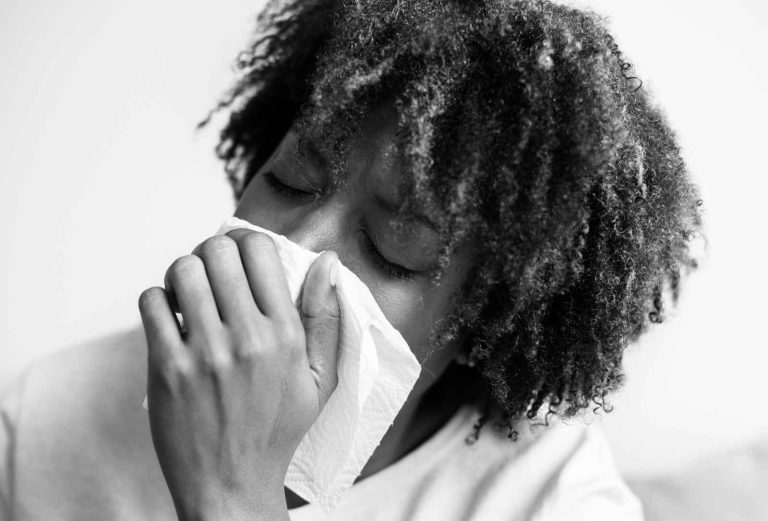
Colds and influenza are among the most common seasonal illnesses, especially during autumn and winter. Symptoms may include a runny nose, sore throat, cough, fever, and fatigue.
2. Allergies
Seasonal allergies, often triggered by pollen, dust, or mould, are more common in spring and early summer. Symptoms include sneezing, itchy eyes, congestion, and sinus pressure.
3. Sinus Infections
Changes in weather and increased allergens can lead to sinus inflammation, causing headaches, facial pain, and nasal congestion.
4. Respiratory Infections
Conditions such as bronchitis or other respiratory infections tend to increase during colder months when viruses spread more easily.
Why Seasonal Sickness Happens
Several factors contribute to seasonal illness:
- Weakened immune response due to temperature changes
- Increased indoor activity, making it easier for viruses to spread
- Dry air, which can irritate airways and make infection more likely
- Higher allergen levels during certain times of the year
How to Combat Seasonal Sickness
1. Strengthen Your Immune System
A strong immune system is your first line of defence. Focus on:
- Eating a balanced diet rich in fruits and vegetables
- Staying hydrated
- Getting enough sleep
- Regular physical activity
2. Practice Good Hygiene
Simple habits can significantly reduce your risk of infection:
- Wash your hands regularly
- Avoid touching your face
- Cover your mouth when coughing or sneezing
3. Stay Up to Date with Vaccinations
Seasonal vaccines, such as the flu shot, can reduce your risk of severe illness and complications.
4. Manage Allergies Proactively
If you suffer from seasonal allergies:
- Limit outdoor exposure during high pollen days
- Keep windows closed when necessary
- Use prescribed or over-the-counter medications as directed
5. Don’t Ignore Early Symptoms
Addressing symptoms early can prevent them from worsening. If you notice persistent or severe symptoms, seek medical advice promptly.
When to Seek Medical Attention
While many seasonal illnesses resolve on their own, you should consult a healthcare provider if you experience:
- High or persistent fever
- Difficulty breathing
- Severe headaches or body aches
- Symptoms lasting longer than expected
Convenient Care with Virtual Consultations
If you’re feeling unwell but prefer to avoid crowded waiting rooms, Every Med offers virtual consultations. You can speak to a qualified healthcare professional from the comfort of your home, receive guidance, and get the treatment you need quickly and safely.
Stay Healthy All Year Round
Seasonal sickness may be common, but it doesn’t have to take over your life. With the right preventative measures and timely care, you can protect your health and maintain your well-being throughout the year.
At Every Med, we’re dedicated to helping you stay one step ahead of seasonal illness.
Book Your Consultation Today
Whether you need advice, treatment, or reassurance, Every Med is here for you. Book your consultation today and take control of your health this season.